

 530+ Google Reviews


Living with a disabling condition is hard enough without having to fight a government agency for benefits. Yet that is the reality many people in Cliffside face when they apply for Social Security Disability and receive a denial.
Our North Carolina Social Security disability lawyer at Farmer & Morris Law, PLLC, understands how the SSA evaluates claims and knows how to build a case that meets their standards. With over 10,000 clients served and more than $100 million recovered, we bring real experience to disability cases of all kinds.
When you work with a Cliffside Social Security disability lawyer at our firm, you get a team that is fully committed to your case from start to finish. We believe every client deserves honest guidance and thorough representation. Contact us today to learn what we can do for you.
How Your Work History Affects Your Claim
Your work history plays a significant role in determining what disability benefits you may qualify for. Social Security Disability Insurance (SSDI) requires that you have worked and paid Social Security taxes for a sufficient number of years. The SSA uses a credit system, and most people need 40 credits—20 of which must have been earned in the last 10 years before disability.
For younger workers, the credit requirements are lower. If you became disabled before accumulating enough credits for SSDI, you may still qualify for Supplemental Security Income (SSI), which is based on financial need rather than work history. Many people are surprised to find they are eligible for one or both programs.
Your past job duties also factor into the SSA’s assessment. If the SSA determines you can still perform your past work despite your disability, your claim may be denied even if your condition is serious. Our team reviews your work history and your physical and mental limitations to anticipate how the SSA will evaluate your case.


Functional Limitations and Your Disability Case
The SSA evaluates what you are still able to do—not just your diagnosis. This is called your residual functional capacity (RFC), and it describes the most you can do on a sustained basis despite your limitations.
The RFC assessment looks at whether you can sit, stand, walk, lift, carry, and concentrate for the periods required to perform work on a full-time basis.
For many conditions, the RFC is what determines the outcome. Even when a condition does not meet a listed impairment, a severe enough RFC can still qualify you for benefits if the SSA finds you cannot perform your past work or adjust to other work. Documenting your functional limitations thoroughly is essential.
The types of limitations the SSA considers in an RFC assessment include:
- Physical limitations such as restrictions on lifting, standing, walking, or reaching
- Mental limitations affecting concentration, memory, or the ability to respond to workplace stress
- Limitations from pain or fatigue that interfere with maintaining a regular work schedule
- Side effects from medications that reduce your ability to function
- Combined effects of multiple conditions that together prevent sustained employment
How We Help Prove Disability
We work with clients to make sure their medical records and physician statements clearly capture limitations. Vague or incomplete documentation is one of the most common reasons the SSA underestimates how serious a claimant’s condition really is.
When we review your file, we look for gaps and help you obtain the supporting documentation needed to present a complete picture of your functional capacity.

Compassionate Allowances for Serious Conditions
The SSA has a program called Compassionate Allowances that fast-tracks decisions for applicants with conditions so severe that approval is almost certain.
This program covers more than 200 conditions, including many forms of cancer, certain neurological disorders, and other life-altering diagnoses.
If your condition qualifies, the SSA aims to approve your claim within days rather than months. Qualifying conditions for Compassionate Allowances include:
- Many forms of late-stage cancer and certain early-onset cancers
- ALS and other progressive neurological diseases
- Rare pediatric disorders that result in severe disability
- Certain rare brain and immune system disorders
- Advanced organ failure requiring transplant
If you or a loved one has been diagnosed with a qualifying condition, filing for disability benefits as soon as possible is important.
Our team can identify whether your condition qualifies for expedited processing and help you file a complete, well-documented claim right away. Even when Compassionate Allowances apply, having an attorney review your application helps avoid delays caused by incomplete submissions.
Why Farmer & Morris Law, PLLC Stands Out
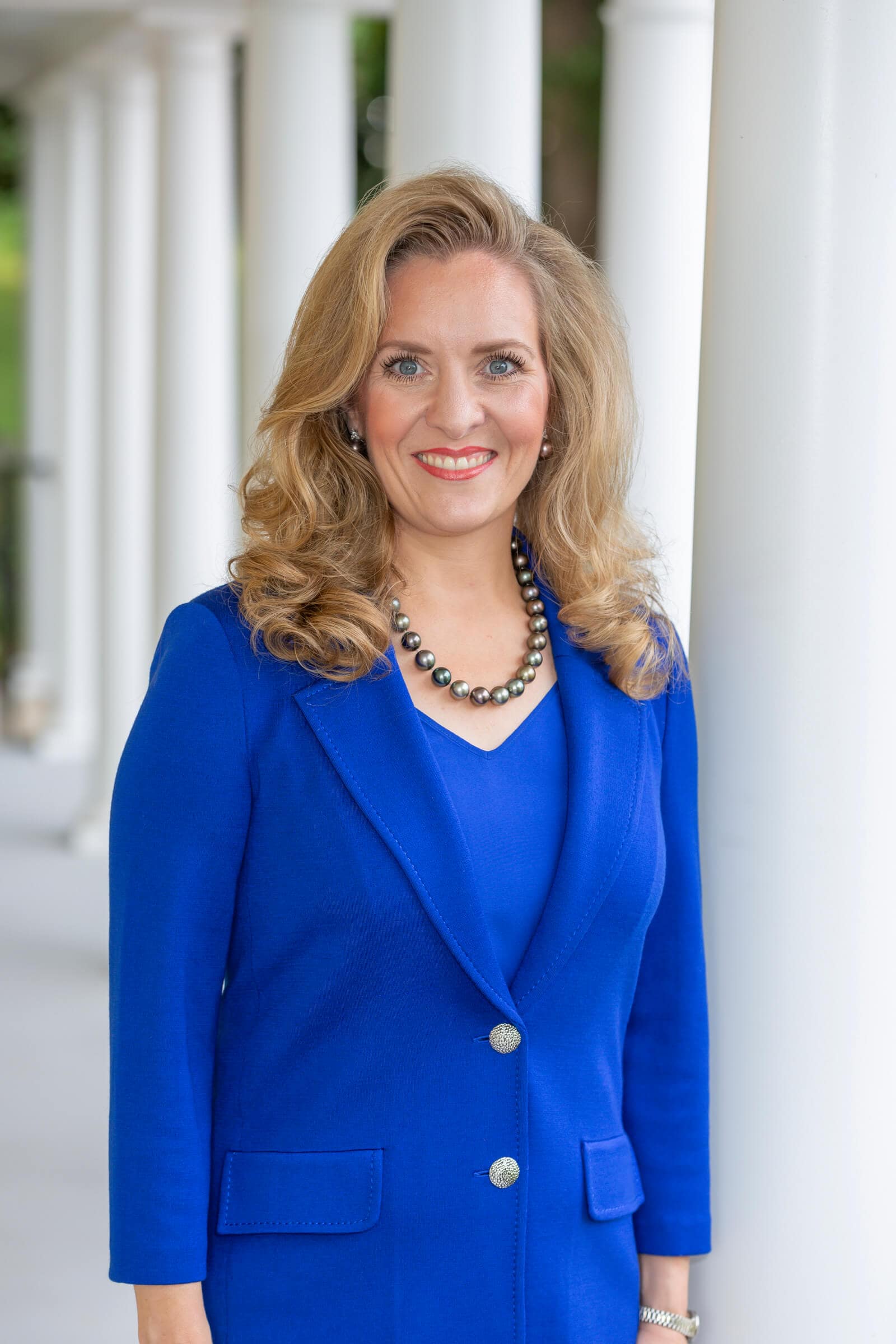
Farmer & Morris Law, PLLC has earned a 4.9/5 Google rating from more than 530 clients, and the firm has been voted the best in Rutherford County every year since 2011. Attorney Andrea G. Farmer focuses her practice on Social Security Disability and brings focused attention to each case she handles.
We know the SSA’s process inside and out—and we know where claims tend to fall short. Our firm handles disability cases on a contingency basis, meaning you pay no attorney fees unless we help you obtain benefits.
With five office locations across North Carolina and South Carolina and 24/7 availability, we make it easy to get help when you need it.

Contact a Cliffside Social Security Disability Attorney Today
Do not let a denial or a complicated process keep you from the benefits you have earned. Farmer & Morris Law, PLLC is ready to review your claim, identify your options, and take on the SSA on your behalf.
Reach out today to schedule a free consultation with a Cliffside Social Security disability lawyer at Farmer & Morris Law, PLLC.