
 530+ Google Reviews



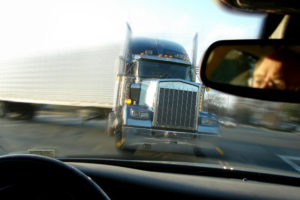
The difference between an override truck accident and an underride truck accident comes down to how a smaller vehicle collides with a large commercial truck. In an override accident, a vehicle rides up over another vehicle, while in an underride accident, it slides beneath the trailer of a truck.
The aftermath of either type of collision can leave you with more questions than answers. Medical treatment, insurance claims, and lost income can quickly become overwhelming.
If you’ve been hurt in one of these crashes, speaking with a North Carolina truck accident lawyer can help you understand your rights, protect important evidence, and focus on your recovery.
What Is the Difference Between Override and Underride Truck Accidents?
Many people ask, what is an override truck accident and how is it different from an underride accident? Understanding override vs. underride truck accidents begins with recognizing how each type of crash occurs and why both can result in devastating injuries.
- Override accident: A smaller vehicle rides up over the rear of another vehicle, often after a rear-end collision involving a commercial vehicle or big rig.
- Underride accident: A passenger vehicle slides underneath the trailer of a truck from the rear or side.
Although they happen differently, both types of crashes can bypass a vehicle’s built-in safety features and cause catastrophic injuries. The way the collision occurred may also affect who can be held responsible, making a careful investigation an important part of many truck accident claims.
Why Are Override and Underride Collisions So Dangerous?
The biggest reason is the enormous difference in size between passenger vehicles and large trucks. A fully loaded tractor-trailer can weigh many times more than a passenger car, making even moderate-speed crashes incredibly violent.
Several factors can increase the risk of Underride and override collisions, including:
- Driver negligence: Speeding, distracted driving, or simply failing to leave enough space between vehicles can quickly lead to a serious crash.
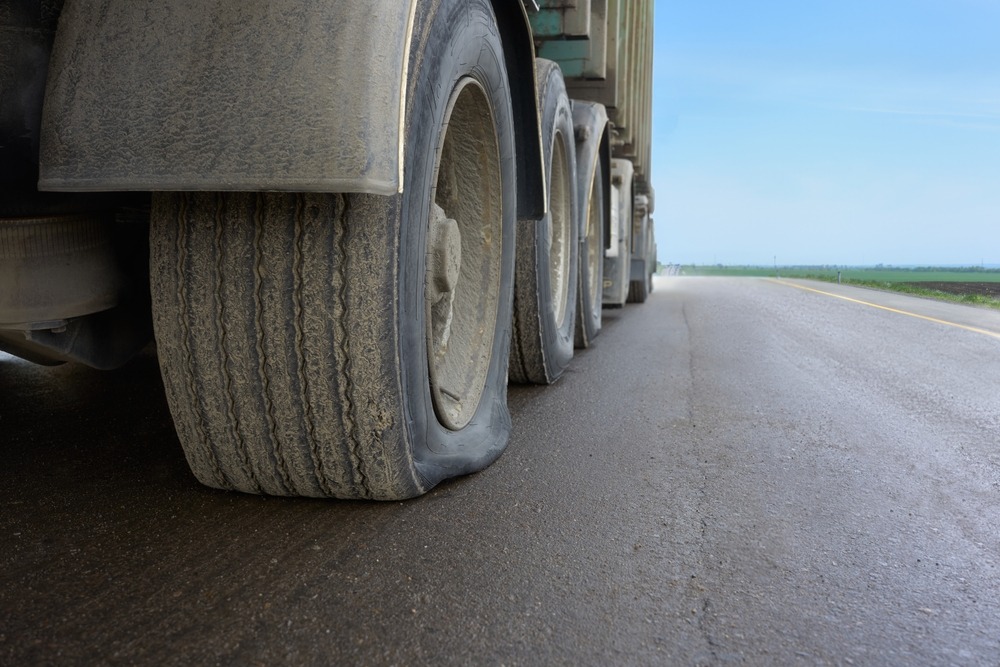
- Brake failure: Worn brakes and other mechanical problems can make it difficult, or even impossible, for a truck to stop in time.
- Truck tailgating: Even professional drivers need enough following distance. When a truck follows traffic too closely, there’s much less time to react if conditions change.
- Improper lane change: Changing lanes without checking mirrors or accounting for a truck’s large blind spots can easily lead to a collision with a nearby vehicle.
- Driver fatigue: Spending too many hours behind the wheel can reduce alertness, making it harder for a driver to react to changing traffic conditions.
- Inclement weather: Rain or foggy weather conditions reduce visibility and traction.
- Overloaded trailer: Excess weight affects handling and stopping distance.
Sometimes more than one of these factors contributes to a single crash, making the investigation much more complicated than many people expect.
Personal Injury Lawyer Near Me (828) 286-3866
How Do Federal Safety Standards Help Prevent These Crashes?
Federal regulations require many trailers to be equipped with rear underride guards, also called rear-impact guards, to reduce the risk of passenger vehicles sliding underneath a trailer during certain collisions.
Requirements for these guards are established under 49 CFR § 571.223 and 571.224, while the Federal Motor Carrier Safety Administration oversees many safety requirements that apply to the trucking industry.
Other types of safety equipment can also help reduce the risk of serious truck accidents, especially in low-light conditions or heavy traffic. Some of the most common include:
- Reflective tape: Makes the trailer easier to see at night and in poor visibility.
- Tail lights: Give drivers behind the truck a clearer indication that traffic is slowing or stopping.
- Brake lights: Provide an additional warning when a truck begins to slow, giving other motorists more time to react.
- Reflective markings: Make trailers easier to see during low-light conditions.
- Blindspot monitoring technology: Helps reduce crashes during lane changes.
Although these safety guards and other safety features reduce risk, they cannot prevent every accident. Equipment failures, poor maintenance, and violations of Federal trucking regulations can still contribute to devastating collisions.
Who May Be Responsible for an Override or Underride Accident?
Determining liability isn’t always straightforward. While a truck driver may be responsible in some cases, other parties may also contribute to what happened.
At Farmer & Morris Law, PLLC, we investigate every truck accident carefully to determine whether trucking companies, maintenance providers, manufacturers, or others played a role. Important evidence may include black box data, event data recorders, inspection reports, maintenance records, driver qualification files, and available dashcam footage.
North Carolina also follows the doctrine of pure contributory negligence, meaning that if an injured person is found even slightly at fault, recovering compensation can become much more difficult. Because of this rule, preserving evidence early and building a strong factual case is especially important after a serious truck accident.
How Can We Help After a Serious Truck Accident?
After a crash involving a large commercial truck, it’s easy to feel like you’re facing the trucking company’s insurance company alone. We understand how stressful that can be, especially when you’re dealing with painful injuries, growing medical bills, and uncertainty about the future.
At Farmer & Morris Law, PLLC, we’ve helped thousands of clients navigate difficult personal injury claims throughout North Carolina. We work to uncover the facts, identify every responsible party, and pursue the full compensation available under the law.
If you or a loved one was injured in a truck accident, you don’t have to navigate the aftermath on your own. We’re here to answer your questions, explain your options, and provide the trusted legal guidance you need to move forward with confidence.