
 530+ Google Reviews



After a hit and run in NC, make sure you are safe, call the police, seek medical attention if needed, and document everything. A hit and run accident can leave you shaken and unsure what to do next, but the steps you take right after the crash can affect your health, your insurance claim, and whether the other driver is ever identified.
Understanding these steps and consulting a North Carolina car accident lawyer can help you respond calmly and protect your health, evidence, and insurance claim.
Make Sure You Are Safe First
Right after the crash, pause and look around. If your vehicle can move and traffic conditions allow it, carefully pull to the side of the road. Turn on your hazard lights. The goal is to reduce the risk of another collision.
If the vehicle cannot be moved, stay inside with your seatbelt fastened until help arrives, unless there is an immediate danger such as fire. Traffic can be unpredictable, especially at night or on busy roads in North Carolina cities.
Check yourself and any passengers for injuries. Even if you feel mostly fine, take a moment. Adrenaline can hide pain.
Call Law Enforcement and File a Police Report
Contact law enforcement as soon as possible. In a hit and run accident, a police report is especially important because the other driver is not there to provide insurance information or a driver’s license.
When speaking with the police officer, provide clear and factual details:
- The location of the accident scene
- The direction the other vehicle was traveling
- Any description of the vehicle
- Whether anyone appears injured
If you were able to see part of the license plate number, share it. Even a partial license plate number can help. Your insurance company will request the police report later during the claim process.
Leaving the scene of a crash is a criminal offense in North Carolina. Depending on the severity of the injuries or property damage, the driver who fled may face fines, license suspension, or even felony charges. That criminal case is separate from your insurance claim, but it can matter if the driver is identified.
Personal Injury Lawyer Near Me (828) 286-3866
Get Medical Attention, Even if Injuries Seem Minor
It is not always clear what to do in a hit and run. Yet medical attention should not wait. Some injuries from car accidents show up hours or days later. Neck pain, headaches, dizziness, or abdominal pain can signal something more serious. If you are wondering whether you should see a doctor after a car accident, the answer is usually yes.
Seeking medical evaluation creates documentation that connects your injuries to the crash. Medical records, bills, and follow-up care all become part of your accident claim.
Keep copies of:
- Emergency room or urgent care records
- Medical bills and receipts
- Prescriptions and therapy visits
- Any recommended future treatment
Medical expenses, lost wages, and ongoing treatment can all be relevant if you file an insurance claim or personal injury case.
Document the Accident Scene and Vehicle Damage
If it is safe, gather as much evidence as you can before leaving the scene.
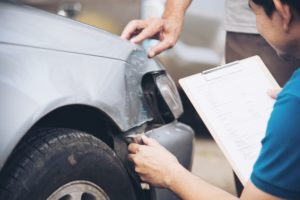
Use your phone to take photos of:
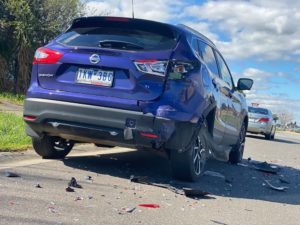
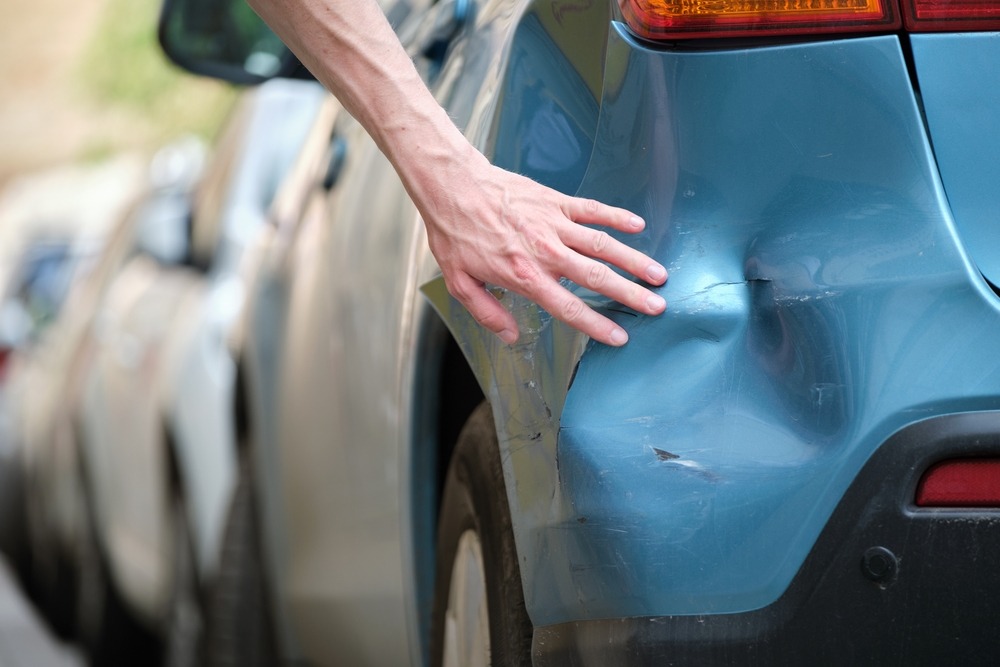
- Damage to your vehicle
- Debris on the road
- Skid marks or vehicle parts
- Traffic signs or signals nearby
Also, look around for security cameras or surveillance footage from nearby businesses or homes. Make a note of their locations. Law enforcement may later request that footage.
If there were witnesses, ask for their contact information. Witness testimonies can help confirm how the crash happened and that it was truly a hit and run.
Small details matter. A partial license plate number, a description of the vehicle color, or even a unique bumper sticker can become useful later.
Understand North Carolina’s Fault Rules
North Carolina follows a contributory negligence rule. Under this rule, if a person is found even slightly at fault for a crash, they may be barred from recovering damages from another driver. This is one of several negligence doctrines that can significantly affect how a personal injury claim is evaluated.
In many hit and run cases, the primary challenge is identifying the fleeing driver. Still, details about how the accident happened can matter. For that reason, accurate documentation and clear statements are important from the start.
Remember that strict deadlines apply. Personal injury and property damage claims in North Carolina must be filed within a limited period of time. Waiting too long can prevent you from pursuing compensation in court.
Speak With a Car Accident Attorney About Your Hit and Run Case
So, what should you do after a hit and run? When injuries are serious or fault is disputed, speaking with experienced attorneys can help you better understand your options and protect your rights.
Farmer & Morris Law, PLLC, works with individuals across North Carolina who have been injured in car accidents, including hit and run crashes. Our attorneys can review police reports, medical records, and insurance policies to help determine whether your claim is being handled fairly and whether additional legal steps may be appropriate.
If you are unsure how to move forward after a hit and run, consider contacting Farmer & Morris Law, PLLC, to request a consultation and discuss your situation in more detail.