
 530+ Google Reviews




Yes, a hit and run claim can raise your insurance, even if you were not at fault. Although that does not mean it always will. It depends on your policy, your claims history, and how your insurance company evaluates risk. Some drivers see little to no change. Others notice a rate increase at renewal.
After a hit and run accident, most people are focused on vehicle damage, possible injuries, and dealing with the police. The question about premiums tends to come later, usually when the renewal notice arrives.
Talking to a North Carolina car accident lawyer can help you understand how insurance companies look at these claims and help you prepare for what may happen next.
Why a Hit and Run Claim Can Affect Your Insurance Rates
A hit and run claim is often processed under collision coverage or uninsured motorist coverage, but the question remains, Will a hit and run claim raise my insurance? When your insurance carrier pays for vehicle repairs or injuries because the other driver cannot be identified, it absorbs that cost. Over time, insurers adjust auto insurance rates based on patterns of claims.
Insurers often look at factors such as:
- The total amount paid for vehicle damage or injuries
- Whether medical payments or uninsured motorist coverage were used
- How recently have you filed another insurance claim?
- Your overall claims history over the past few years
Another thing to remember is that many policies include accident-free discounts. Filing a claim can cause you to lose that discount, even if the accident was not your fault. The result may feel like a penalty, but in reality, it is often the removal of a pricing benefit tied to a clean claims history.
How Fault Is Treated in Hit and Run Accidents
In a typical collision where the at-fault driver is known, insurance companies can seek reimbursement from that driver’s insurance provider. This process is called subrogation. In a hit and run accident, the other driver is unknown. There is no insurance information to pursue.
Because of that, your insurer cannot easily recover what it paid. The claim stays on your record. While you are not considered at-fault, the incident still becomes part of your claims history.
It is also worth remembering that leaving the scene of a crash can carry serious consequences. In some states, including North Carolina, the penalties for leaving the scene of an accident may involve criminal charges, fines, license suspension, or even jail time, depending on whether injuries occurred.
Personal Injury Lawyer Near Me (828) 286-3866
Factors That Influence a Rate Increase
Not every hit and run claim leads to higher car insurance rates. Several factors usually come into play.
- Your prior claims history
- The severity of the vehicle damage
- Whether injuries were involved
- The total amount paid by your insurer
- Your overall driving record
If you have multiple past car accidents or traffic tickets, a new claim may have a stronger impact. On the other hand, if you have a long history of safe driving with no previous insurance claims, your insurance provider may treat the incident more mildly.
The Role of Your Claims History
Insurance companies rely heavily on claims history when calculating auto insurance rates. Even a single claim can shift how your risk profile is viewed.
It does not automatically label you as a risky driver. Still, insurers use statistical models. Those models sometimes treat any recent claim as a sign that future claims are slightly more likely. It may feel unfair, especially when you were the victim. But insurance pricing is based on pooled risk and probability.
What to Do After a Hit and Run Accident
If you are involved in a hit and run accident, your first steps can affect both your claim and your protection under your policy, and they may also determine whether you later need to raise questions with your insurer or even contact the North Carolina Department of Insurance (NCDOI) if concerns about claim handling arise.
Key steps to take include:
- Contact law enforcement and file a police report.
- Take photos of vehicle damage and the surrounding area.
- Get names and contact information for any witnesses.
- Seek medical attention if you feel pain or discomfort.
- Notify your insurance carrier promptly.
Contact law enforcement and file a police report. Insurance companies usually require documentation that the accident was reported. A police report helps confirm that the other driver left the scene.
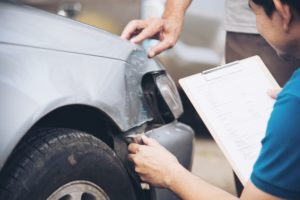
Gather as much information as possible. Take photos of the vehicle damage, the surrounding area, and any debris. If there are witnesses, try to get their contact information. Security cameras in nearby buildings may also help.
Speak With Farmer & Morris Law, PLLC About Insurance Questions After a Hit and Run
Farmer & Morris Law, PLLC, works with individuals who have concerns about accident-related claims, coverage disputes, and how insurance companies apply policy terms. In some situations, reviewing the details of your claim can clarify whether the insurer followed the language of your insurance policy and applicable state rules.
If you still want to know if a hit and run claim can raise your insurance, you may also find it helpful to review frequently asked questions about hit and run accidents, uninsured motorist coverage, and premium adjustments. Clear information can make it easier to decide what to do next.
If you would like to discuss your situation directly, consider contacting Farmer & Morris Law, PLLC to request a consultation and better understand your options.